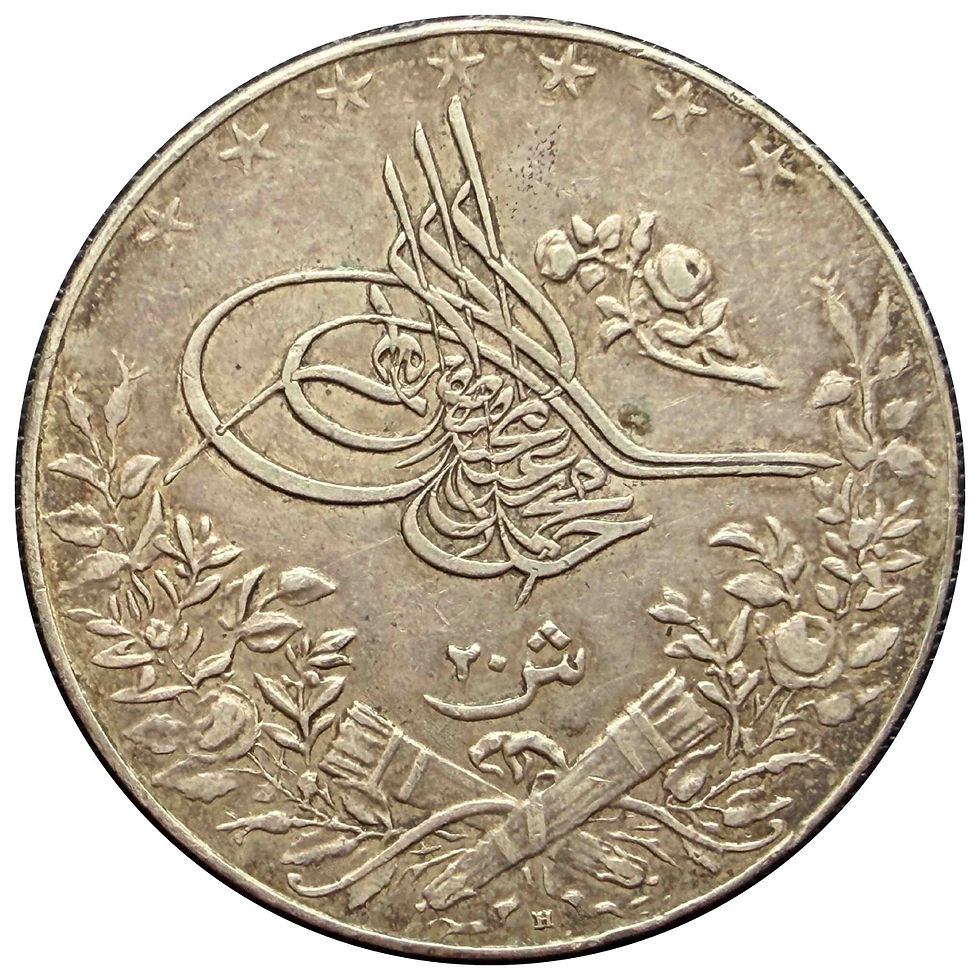
[1933 Kingdom of Egypt Fuad I 20 Kirsh Silver Coin]

 83.3% pure silver | Weight: 28g | Diameter: 39mm | Minted by the Hungarian Mint | The pinnacle of artistic perfection

 ⸻

 Coin Overview

 Issued in 1933, the Kingdom of Egypt 20 Kirsh silver coin is a particularly noteworthy piece of modern Egyptian coinage, with both historical and artistic value. The design features a meticulously engraved profile of the then Egyptian king, Ahmed Fuad I, and the reverse features intricate Arabic calligraphy, reflecting traditional aesthetics.

 This coin is part of a series of coins minted after the establishment of the Kingdom of Egypt in 1922 to demonstrate its unique identity as a modern nation, and is both a form of currency and a work of art.

 ⸻

 Historical Background | Fuad I and the Dawn of Modern Egypt

 Fuad I was the first king of the Kingdom of Egypt, which achieved formal independence from Britain in 1922. During this turbulent period when Egypt was breaking away from Ottoman rule and its British protectorate status and transforming into a modern nation, he promoted the reform of the monetary system, which symbolized royal authority.

 The 20 Kirsh silver coin, born out of this situation, is a sophisticated fusion of the kingdom's dignity, national identity, and currency function. It also holds an important position in terms of the modernization of the monetary system in the Middle East, and is a coin of particular interest to collectors among the many modern Middle Eastern coins.

 ⸻

 Basic specifications
 • Year of publication: 1933 (1352 Hijri)
 • Country of issue: Kingdom of Egypt
 • King's name: Fuad I (reigned: 1922–1936)
 • Face value: 20 kirsh (0.20 Egyptian pounds)
 • Material: Silver (83.3% purity)
 • Weight: 28 grams
 • Diameter: 39 mm
 • Thickness: 2.5 mm
 • Shape: Round
 • Edge: Reeded
 • Casting technique: Milled
 • Mintmark: “BP” (Budapest Mint, Hungary)

 ⸻

 Obverse | Profile of Fuad I

 The obverse features a portrait of Egyptian King Fuad I, facing left. His dignified expression and fez symbolize the monarchy and cultural traditions of the time, and the exquisite carving was done by the renowned British sculptor Percy Metcalfe.

 The Arabic inscription reads, "Fuad I, King of Egypt." The image of the king symbolizes his prestige as a ruler who worked hard to build a modern nation, as well as his hopes for the future.

 ⸻

 Reverse | The Artistry of Arabic Calligraphy

 The reverse features 20 kirsh in elegant Arabic calligraphy, the year of issue (1933 AD/1352 H.E.), and the words "Kingdom of Egypt."

 This calligraphy brings together the best of Islamic culture's lettering art and has artistic value that goes beyond that of a simple metal currency. While being a coin, this surface can also be considered a work of calligraphy, making it a masterpiece that embodies the best of Islamic art.

 ⸻

 Rarity and collectibility

 This 1933 20 Kirsch silver coin was limited to a mintage of 24,000, and there are even fewer of these coins currently on the market.

 When assessed comprehensively for its rarity, silver content, cultural significance and aesthetic value, this coin ranks among the finest in any modern Middle Eastern silver coin collection.

 ⸻

 Mint Background

 This silver coin was minted at the Hungarian Mint (BP) in Budapest, Hungary. It is known that Egypt did not have a complete coin minting infrastructure at the time, so high-quality silver coins were produced with technical assistance from Europe.

 Therefore, this coin can be said to be a crossroads of Eastern and Western cultures, combining European precision technology with traditional Middle Eastern art.

 ⸻

 Comparison with other contemporary coins
 • Bunsei Period Silver Coins (Japan): Compared to Japanese silver coins from the same period, these coins are similar in size, weight, and purity, suggesting that each country was experimenting with modernizing its monetary system.
 • Ottoman Silver Coins: Fuad I silver coins are considered to have been a step beyond the decorative style of the Ottoman period and served as a bridge to more institutionalized modern coin design.

 ⸻

 A message to collectors

 Beyond its practical use as currency, this coin is a valuable cultural asset that tells the story of an important chapter in modern Egyptian history. This silver coin encapsulates royalty, religion, the founding of a modern nation, and art, making it an indispensable piece in any collection of Oriental coins.

 ⸻

 About GoldSilverJapan's evaluation and handling

 At GoldSilverJapan, we do not simply view foreign silver coins with historical and cultural value as "silver bullion," but rather we evaluate them fairly based on their background, rarity, and state of preservation.

 We provide photo appraisals and mail-in appraisals based on expert appraisals, and are available to a wide range of customers, including private collectors and those interested in history and culture.

 Through this coin, you can experience the story of the intersection of the Middle East and Europe, history and the present.

 ⸻

 If necessary, this format can be expanded to other Kirsch silver coins (10, 5, etc.). Please let us know if you have any requests.
1933 Kingdom of Egypt Fuad I 20 Kirsh Silver Coin
Points|💳1%・🏦2%