

Shop by category


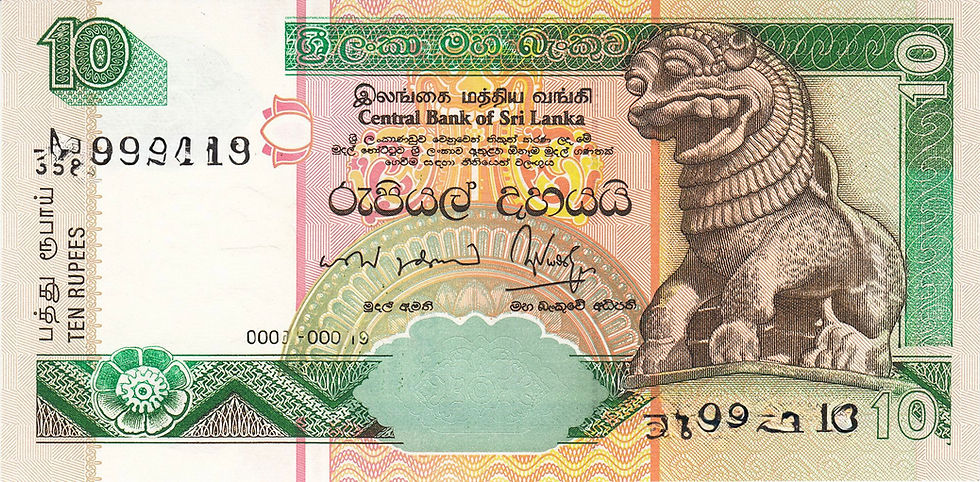


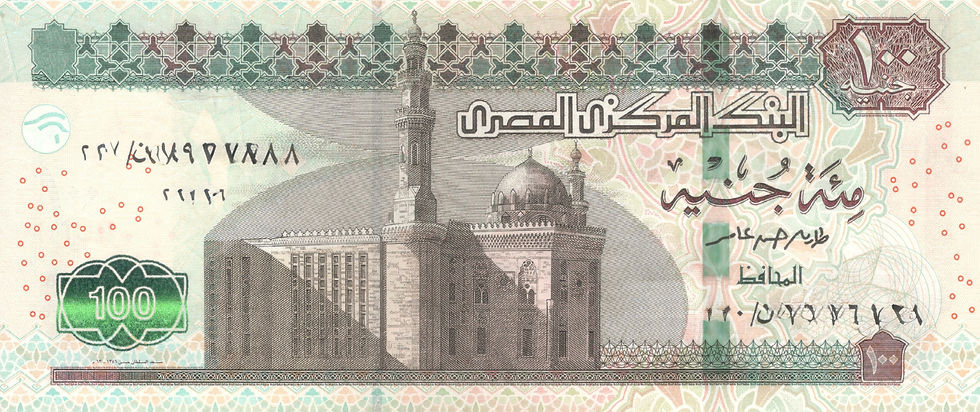
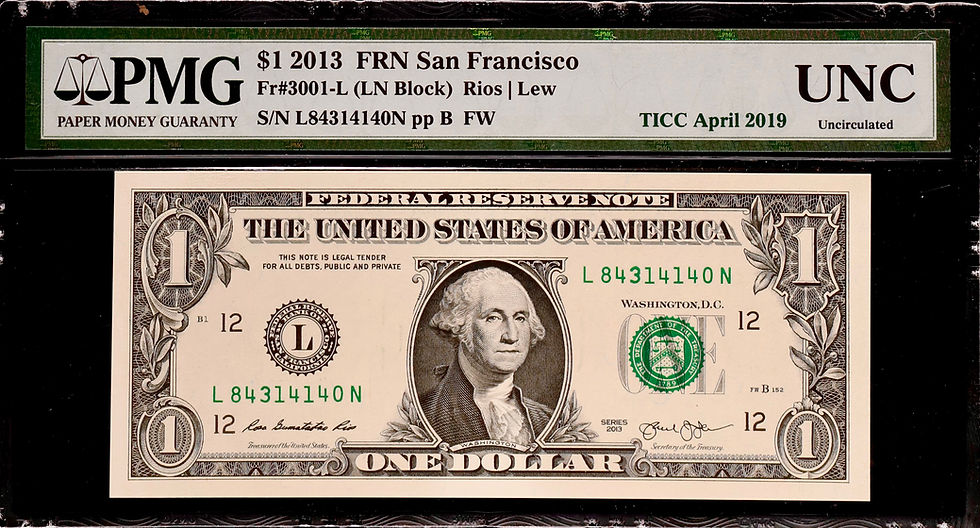


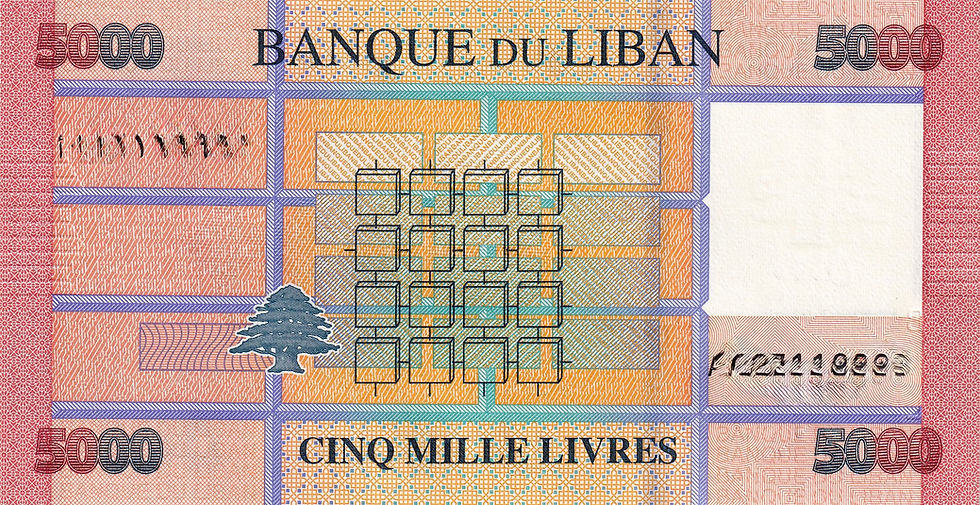
Related Products


🏛️ The allure of collecting banknotes
A world where history, art, and investment value converge.
Information from GoldSilverJapan
🔰 What is banknote collecting?
Banknotes are not merely a means of payment.
It is a **"paper art"** that encapsulates the nation's history, culture, economy, and art.
For example, pre-war Japanese military currency, Edo-period feudal domain notes, and large denomination banknotes issued during periods of high inflation in various countries around the world.
A single banknote tells the story of the times and the social conditions of the era.
Some people start collecting banknotes out of an interest in history, while others are drawn to their beautiful designs or rarity.
Furthermore, an increasing number of collectors are paying attention to them as investment targets.
GoldSilverJapan carefully selects and safely stores banknotes from Japan and around the world.
📚 The History of Banknotes
🏯 The beginning of the Orient
The world's oldest banknotes appeared in **China's Tang Dynasty (7th century)** and were widely circulated as official currency during the **Song Dynasty (11th century)**.
🌍 Expansion into Europe
In Europe, the use of paper money began in Sweden in the 17th century.
Later, the Bank of England (1694) and the Assinas during the French Revolution emerged.
🗾 Japanese banknotes
In Japan, the system of issuing currency began with the domain notes of the Edo period and transitioned to a central government-issued system after the Meiji Restoration.
Since then, technology, design, and anti-counterfeiting technologies have evolved through the Showa, Heisei, and Reiwa eras.
🔎 Why collect banknotes?
🧭 1. You can feel the historical background.
Banknotes strongly reflect the historical context of the era in which they were issued.
For example, Allied military currency from 1945 symbolizes occupied Japan, and Zimbabwe's trillion-dollar banknotes are a record of hyperinflation.
🎨 2. Design and artistry
The designs of banknotes are works of art, utilizing intricate engraving, precise printing, special inks, and holograms.
💹 3. Value as an asset
High-grade and rare banknotes, as well as error notes containing printing errors, tend to fetch high prices in the market and are attracting attention as investment targets.
🌐 4. Diverse collection themes
-
By country (e.g., Japanese banknotes)
-
By era (e.g., banknotes from the World War II period)
-
By theme (e.g., animal patterns, historical figures, architecture)
-
By technology (e.g., repeating digits in serial numbers, error notes)
🧠 Advice for beginners
-
Let's start with familiar banknotes (e.g., Japanese yen from the Showa era).
-
Set a budget and collect systematically.
-
Choose a trustworthy seller (GoldSilverJapan uses third-party appraisal).
-
Learn banknote terminology (watermark, serial number, ink color, etc.)
-
Utilize catalogs (Numista, SCWPM, etc. are well-known examples).
🌏 Notable banknotes from around the world
Regionally representative banknotes
Daikoku banknotes from the Meiji era of Japan, military currency, and 1,000 yen banknotes from the Showa era.
American bank securities, "Funny Back" dollar, error banknotes
German Notgeld, post-war banknotes
Asian Republic of China banknotes, North Korean propaganda currency
African Zimbabwean trillion-yen banknotes, former colonial currency
Middle Eastern banknotes from the Iranian Revolution, early Israeli banknotes
📈 Market Trends and Investment Potential
Banknote collections have recently attracted attention as a global investment, particularly:
-
High-grade product
-
Rare serial numbers and error tags
-
Pre-war, limited-issue banknotes
-
Officially authenticated items
These items can fetch high prices at auctions and collector markets.
📈 Types of banknotes to collect
🏛️ 1. Historical banknotes
Edo to Meiji period domain currency
Currency of defunct nations (e.g., Yugoslavia, Southern Confederacy)
💵 2. Collection of current currency
Even among banknotes still in circulation, unused (UNC) and those with rare serial numbers are highly sought after.
⚠️ 3. Error Notes
Misprints, misalignments, and duplicate numbering were highly praised for their rarity.
🔖 4. Commemorative banknotes
Banknotes issued to commemorate national commemorative projects or special events.
📋 Banknote grading (condition assessment)
The value of banknotes varies greatly depending on their condition. The following are the main grading classifications:
Grade status description
UNC (Unused), no creases, very clear.
AU (Almost New): Minimal signs of use, nearly perfect.
XF (Excellent condition) Minor creases and wear.
VF (Excellent condition) Shows signs of use, but the design is clear.
F-G (Average to Acceptable): Overall wear and tear, unsuitable for storage.
Banknotes officially graded by accredited organizations such as PMG (Paper Money Guarantee) and PCGS Banknote are highly valued in the collector market.
🛡️ How to store banknotes
To maintain its value as a collection, the following preservation is important:
Protected by an acid-free sleeve.
Do not touch with bare hands (gloves recommended).
Store in a place away from moisture and ultraviolet light.
Use a desiccant in conjunction with other measures to combat humidity.
Store flat to prevent folding and distortion.
At GoldSilverJapan, we deliver banknotes in a properly protected condition.
.
🏪 Why GoldSilverJapan is the right choice
-
We only sell genuine, reliable products.
-
Archival-protected
-
Condition revealed with high-resolution photos
-
Reliable support in Japanese and English
-
We also handle authenticated banknotes (PMG/PCGS).
"Collection starts with trust."
GoldSilverJapan is a partner that walks alongside collectors.
❓ Frequently Asked Questions (FAQ)
Q: Are old banknotes valuable?
A: Yes, they do. Especially high-grade banknotes and those issued in limited quantities can fetch high prices.
Q: Is grading necessary?
A: It is very useful when considering rare banknotes or future trading opportunities.
Q: Are there any banknotes that are still usable today?
A: Some can be used as legal tender, but most have been abolished and are now collectibles.
Q: Which Japanese banknotes are particularly valuable?
A: Meiji-era "Daikoku bills," unused military currency, and 1,000 yen bills with matching serial numbers are highly valued.
📌 Summary
Collecting banknotes is a hobby that allows you to hold history in your hands, and at times it can even lead to wealth accumulation.
Each banknote has a background, art, and a story.
At GoldSilverJapan, we offer a wide selection of banknotes to satisfy everyone from beginners to advanced users.
We hope you find one that fits perfectly into your collection!