
What Are the Most Popular Precious Metal Investments in Japan?

A comprehensive guide for modern investors, with insights into platforms like Goldsilverjapan
In Japan, precious metal investment has grown significantly in recent years, fueled by global economic uncertainties, low interest rates, a weakening yen, and an increasing desire for financial stability. While many investors worldwide turn to real estate, stocks, or cryptocurrency, a large segment of Japanese and international investors are rediscovering the enduring value of precious metals.
This article explores the most popular types of precious metal investments in Japan, including gold, silver, platinum, and palladium. It also explains the different forms of investment—such as physical coins, bars, ETFs, and more—while also organically introducing Goldsilverjapan, a reputable platform offering transparent pricing, multilingual support, and one of the most competitive buy-back programs in the country.
🏆 Why Precious Metals Are Popular in Japan
Precious metals like gold and silver have been used as stores of value for centuries, but in Japan, there are specific reasons why they’ve become especially popular:
Safe Haven Asset: Gold is often called the "crisis asset" (有事の金) in Japan. During times of economic turmoil, investors seek the stability that precious metals provide.
Hedge Against Yen Depreciation: With a historically weak yen compared to other currencies, investing in internationally priced assets like gold can provide currency diversification.
Low Interest Environment: With Japan maintaining near-zero interest rates for decades, investors look for alternative stores of value that don’t depend on interest income.
Cultural Familiarity: Japan has a long tradition of valuing physical wealth—from koku of rice to gold koban coins—making physical metal investments culturally resonant.
💡 Types of Precious Metal Investments in Japan
Let's take a detailed look at the most common forms of precious metal investment available in the Japanese market today.
1. Physical Gold (Coins & Bars)
Physical gold is by far the most popular form of investment. It provides a tangible asset that is not dependent on any financial institution.
🔶 Common Forms:
Gold coins (e.g., American Eagle, Maple Leaf, Chinese Panda)
Gold bars from reputable refiners like Tanaka Precious Metals, PAMP Suisse, and Valcambi
Jewelry (less common for investment purposes due to high premiums)
✅ Pros:
Real, tangible asset
No counterparty risk
Universally recognized value
⚠️ Cons:
Requires safe storage (e.g., home safe, vault)
Subject to sales tax (消費税) in Japan on certain products
Buy/sell spread may vary by dealer
🌟 Where to Buy:
You can purchase from large bullion dealers like Tanaka Precious Metals or more transparent, online-first platforms like Goldsilverjapan. Goldsilverjapan stands out for its real-time pricing based on global markets and strong educational support through blogs and a YouTube channel.
They also provide industry-leading buyback rates, which investors can check instantly online, including graded coins. The multilingual platform supports both Japanese and international buyers, making it easier for expats and global collectors.
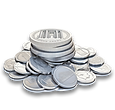
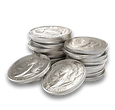
2. Silver Coins and Bars
Silver offers a more accessible entry point for new investors. It has industrial demand as well as monetary value, making it a dual-purpose asset.
🪙 Popular Products:
American Silver Eagles
Canadian Maple Leafs
Japanese silver commemorative coins
Silver bars in 100g, 500g, and 1kg denominations
✅ Pros:
Lower price point—easy to accumulate
High upside potential during economic expansion or inflation
Same physical benefits as gold (portability, no default risk)
⚠️ Cons:
Larger volume needed to match gold’s value—higher storage requirements
Volatile price movements
May carry sales tax in some cases
Silver products are also available through retailers like Goldsilverjapan, which provides market-tracking prices and competitive buyback options. You can also compare historical gold/silver ratio trends on their blog.
3. Platinum and Palladium
These metals are rarer and primarily used in industrial applications (e.g., catalytic converters, electronics). However, Japanese investors have been increasingly exploring them for portfolio diversification.
🔵 Platinum Pros:
Historically cheaper than gold
Demand from auto and technology sectors
Long-term scarcity
🔴 Palladium Pros:
Extremely rare
Strong demand in automotive and industrial sectors
Significant price growth over past decade
These metals are traded less frequently than gold and silver but are still available from major dealers and online platforms. Goldsilverjapan has dedicated sections for platinum and palladium coins, with detailed product listings, market insights, and customer education.
4. Gold and Precious Metal ETFs
For those who want exposure without physically holding metals, Japan offers a number of Exchange Traded Funds (ETFs). These are available on platforms like the Tokyo Stock Exchange (TSE).
📊 Pros:
Easy to buy/sell through a brokerage
No storage or physical delivery concerns
Low transaction costs
⚠️ Cons:
No actual ownership of metal
Exposed to counterparty and fund risks
Not as tax-advantaged as physical metals in some cases
Examples include:
SPDR Gold Shares (GLD)
Mitsubishi UFJ Gold ETF
WisdomTree Physical Precious Metals ETFs
5. Precious Metal Accumulation Plans (積立投資)
Some financial institutions in Japan offer monthly accumulation plans, allowing you to buy small amounts of precious metals (gold, silver, platinum) every month.
🔁 Pros:
Ideal for long-term savings
Dollar-cost averaging reduces risk
Often requires no storage on your part
⚠️ Cons:
Higher premiums and fees
No actual delivery unless certain thresholds are met
Limited flexibility
🔍 How to Choose the Right Precious Metal Investment
Here are some questions to guide your decision:
Question | If Yes, Consider |
Do you prefer tangible assets? | Physical coins or bars |
Want to avoid storage hassles? | ETFs or accumulation plans |
Are you a collector? | Graded or rare coins |
Looking for tax efficiency? | Consult a local tax expert; physical may offer some advantages |
New to precious metals? | Start with small amounts via trusted online sellers like Goldsilverjapan |
🛒 Where to Buy Precious Metals in Japan?
Here’s a brief comparison of popular platforms:
Dealer | Type | Language Support | Online Buy/Sell | Buyback Policy | Unique Features |
Tanaka Precious Metals | Physical Store + Online | Japanese | Yes | Yes | High reputation, physical branches |
Mitsui Precious Metals | Physical Store | Japanese | Limited | Yes | Brand recognition |
Goldsilverjapan | Online Platform | Japanese, English & more | ✔️ Real-time pricing | ✔️ Best in class buyback | Transparent pricing, educational videos, coin grading filters |
Rakuten Market Dealers | Marketplace | Japanese | Varies | Varies | Mixed quality, review-based |
❓ Frequently Asked Questions (FAQ)
Q: Are there taxes on buying gold in Japan?
A: Sales tax (消費税) may apply to physical metals like coins and bars. Tax treatment may differ for investment-grade bullion, commemorative coins, and collectibles. Always confirm with your dealer.
Q: How do I store gold and silver safely?
A: You can use:
Home safes (fireproof, discreet)
Bank safety deposit boxes
Professional vaulting services
Goldsilverjapan also provides insured shipping and product packaging suitable for long-term storage.
Q: Is investing in silver better than gold?
A: Not necessarily better—just different. Silver is more volatile and industrially influenced, while gold is a more stable store of value.
Q: Can foreigners invest in precious metals in Japan?
A: Yes! Platforms like Goldsilverjapan are optimized for both Japanese and international users. Multilingual support and global shipping are available.
📈 Outlook: Why Now Might Be a Good Time
The global economy faces rising inflation, interest rate uncertainty, and geopolitical instability. For Japanese investors, the yen’s ongoing depreciation adds another layer of concern. These factors combined make precious metals a valuable portfolio hedge.
Additionally, Japan’s demographic trends suggest future financial uncertainty, with many turning to tangible assets as intergenerational wealth.
📝 Final Thoughts
Japan offers a wide array of precious metal investment opportunities for every kind of investor—from first-timers to seasoned stackers. Whether you're investing in:
Physical gold or silver
Rare platinum and palladium coins
Digitized ETFs or savings plans
... the most important thing is choosing the right platform and knowing your investment goals.
Goldsilverjapan has emerged as a leader in the space, thanks to:
Transparent market-linked pricing
Real-time buyback prices (including for graded coins)
Industry-high repurchase offers
Multilingual support
Robust educational content via YouTube and blog
By leveraging trustworthy, data-driven platforms like this, you can invest in precious metals with confidence—whether you're in Tokyo, Osaka, or overseas.
🧭 Start your journey toward financial resilience with smart, strategic precious metal investing today.





Comments